INTRODUCTION:
Jambughoda declared as a wildlife sanctuary in 1990 is home for a variety of animal and plant species. It’s a marvelous landscape with two water reservoirs other than forest and hills which further add to the aesthetic settings and habitat diversity. The area was a part of the princely state of Jambughoda prior to independence. The most striking feature of the area is having the valleys nestled in the well-forested hills have always been home to many tribal settlements. There are many places to hike through the forests in the sanctuary and it is one of the marvelous camping sites in Gujarat state. The Jambughoda Wildlife Sanctuary is one of the best areas for nature education and environmental awareness.
GEOGRAPHIC LOCATION:
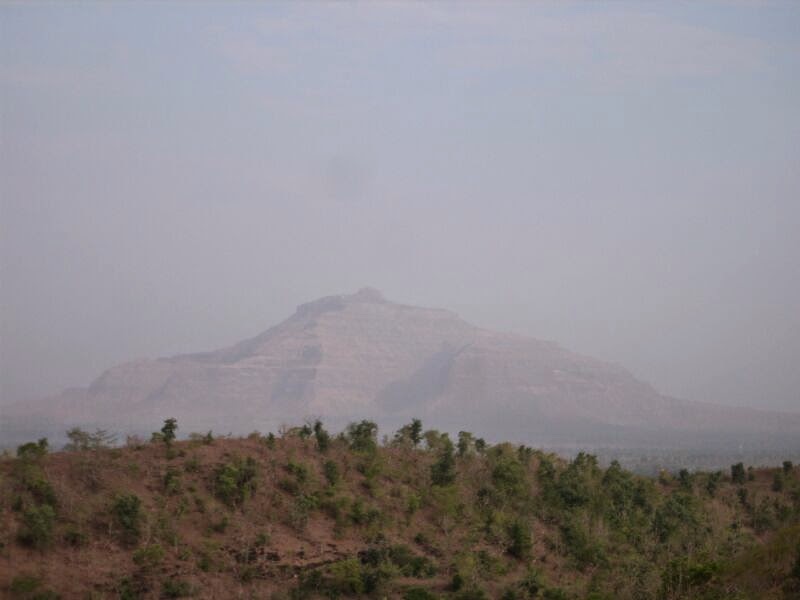
Jambughoda Wildlife sanctuary is located in Panchmahal district of central Gujarat around 70km far from the cosmopolitan city of the state- Vadodara and 20 km from Champaner (A UNESCO World Heritage Site) The area of the sanctuary is made up of undulating hills and uneven areas with vast forest cover. Most of the region of the sanctuary is covered by Teak plantations and is of a typically dry deciduous forest type. The sanctuary spans over a large area of 130.38 square km, including the forest, hills, few tribal villages and few bat caves (originally manganese mines now deserted). The sanctuary plays an important role in creating the ecological and hydrological balance.
WILDLIFE:
A.) Flora: It’s a magnificent forest of Teak (Tectona grandis), Bamboo (Bambusa vulgaris) and other miscellaneous species like: Shisham(Dalbergia sisso), Khair(Acacia chundra), Mahuda(Madhuca longifolia) etc. B.) Fauna: The sanctuary is extremely rich in terms of wildlife. The top most predators in the area are Leopard (Panthera pardus) and Sloth bear (Ursus ursinus). There are several other mammals sighted which includes: Hyena (Hyaenidae), Jackal (Canis aureus), Porcupine (Hystricomorph hystricidae), Wild boar (Sus scrofa), Civets (Paradoxurus hermaphroditus), Grey mongoose (Herpestes edwardsii), Bats (Chiropterans), Barking deers (Muntiacus), Blue bull (Boselaphus tragocamelus). Besides these mammals many other arthropods, rodents, herpetofauna and avifauna are found in quite a good number.
BAT CAVES IN SURROUNDINGS OF THE SANCTUARY:
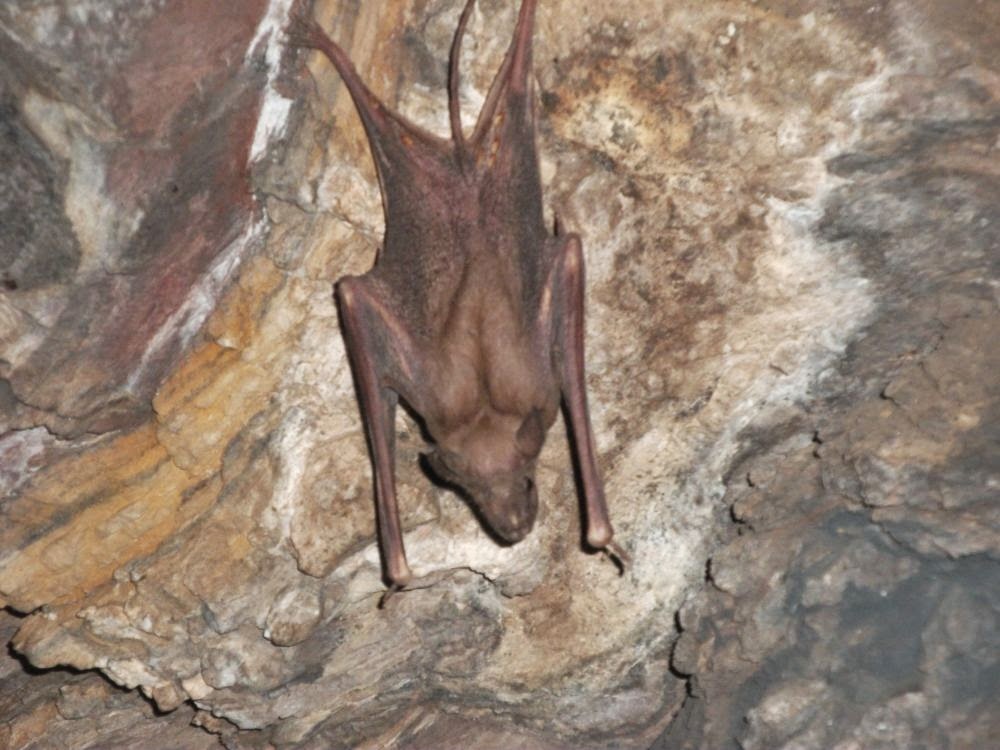
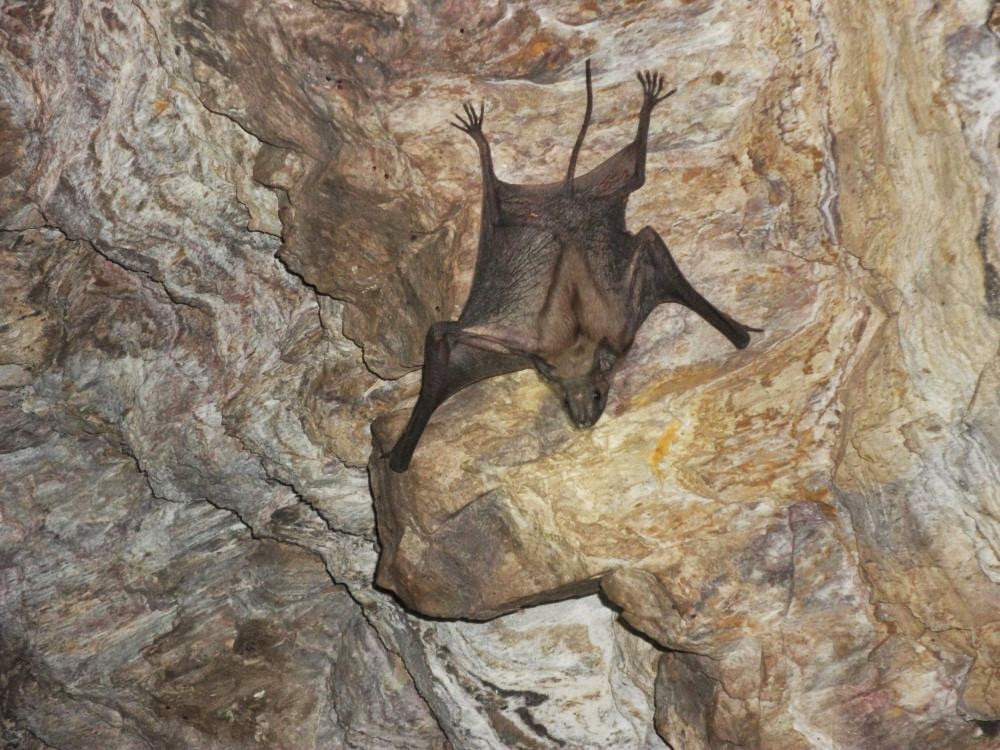
Bats being one of the most neglected species of land mammals given least importance and concern are indeed a very important link in the ecological chains. The chiropteran’s usually habitat caves, crevices, old houses, trees etc. which is far away from human settlements. Surrounding to the Jambughoda Wildlife Sanctuary, on the boundaries there are deserted manganese mines that transverse through the hills and have large number of bat roosting. These caves are of great importance now a day for bats studies, conservation, nature education etc. Three major mines on the fringes of the sanctuary are habitat to a variety of bat species like: Indian false vampire bats (Megaderma lyra lyra), Black bearded tomb bats (Taphozous melanopogon), Lesser mouse tailed bats (Rhinopoma hardwikki), Greater mouse tailed bats (Rhinopoma microphyllum), Flying fox (Pteropus conspicillatus) etc. Hence not only the sanctuary but also its surroundings have a major part contributing in ecological diversities.
BEST TIME FOR VISIT:
The winter months are the best time to visit the sanctuary i.e. between the months of November to March, during summers weather can get humid and uncomfortable. A camera and few field guides can be a very good companion. It’s advisable to take a tour guide or a local person along with you. While wandering around alone in the sanctuary can be dangerous. A
WORD FROM THE WRITER:
Today there are very few places left in and around our Vadodara which are so good or ecologically diversified. Maybe after some more decades there will hardly be any area left around Vadodara that can provide shelter to such amazing animals. We should be proud because some of the areas around us have been able to retain this biological richness and diversity. If these places are gone, it is impossible to bring them back. Thus, we all should thrive to protect these natural habitats and resources for the generations to come.